


PCOS and IVF in Manila: What Filipino Women Should Know
If you've been diagnosed with polycystic ovary syndrome (PCOS) and are trying to conceive, PCOS and IVF in Manila often come up together because PCOS is one of the leading causes of infertility in women — but IVF usually isn't the first step. Most patients try several other approaches before IVF becomes a relevant option. This guide walks through how PCOS is diagnosed, what's typically tried first, and when and why IVF enters the conversation.
Key Takeaways
- PCOS is one of the most common causes of infertility in women, primarily because it disrupts regular ovulation.
- Diagnosis uses the Rotterdam criteria, which requires two of three specific features rather than a single test.
- Most patients with PCOS-related infertility try lifestyle changes and ovulation-inducing medications before moving to IUI or IVF.
- IVF is typically considered when other approaches haven't resulted in pregnancy, or when other fertility factors are also present.
- Patients with PCOS are at higher risk of ovarian hyperstimulation syndrome (OHSS) during IVF, which is why protocol choice — including lower-stimulation approaches — is discussed carefully with this group specifically.
Key Terms to Know
- PCOS (polycystic ovary syndrome): A hormonal condition affecting how the ovaries function, commonly causing irregular ovulation and elevated androgen (male hormone) levels.
- Rotterdam criteria: The diagnostic standard for PCOS, requiring at least two of three features: irregular or absent ovulation, signs of elevated androgens, and characteristic ovarian appearance on ultrasound (or AMH levels, under more recent guidance).
- Anovulation: The absence of ovulation during a menstrual cycle, a common feature of PCOS that directly affects the ability to conceive.
- Ovulation induction: Medication used to stimulate regular ovulation, often the first treatment tried for PCOS-related infertility.
- OHSS (ovarian hyperstimulation syndrome): A potential side effect of fertility medication in which the ovaries become swollen and painful; patients with PCOS are at higher risk due to how their ovaries respond to stimulation.
What Is PCOS, and Why Does It Affect Fertility?
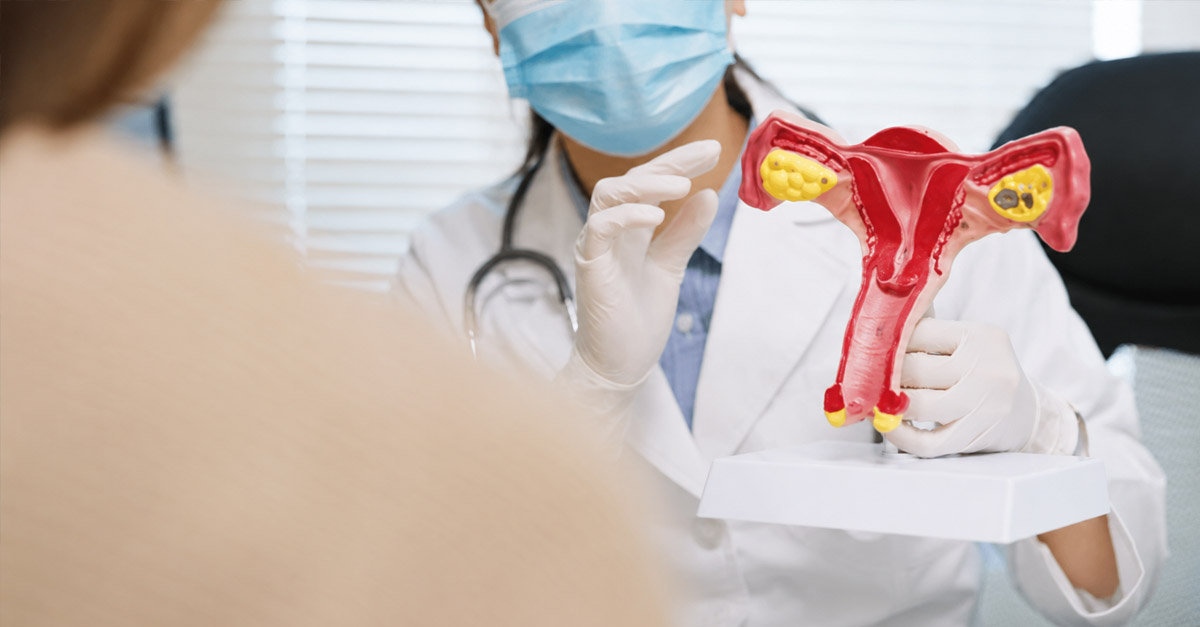
PCOS is a hormonal condition that disrupts how the ovaries function, and it's one of the most common causes of infertility in women of reproductive age. The main reason it affects fertility is anovulation — irregular or absent ovulation — which means an egg isn't released reliably each month, making it harder to conceive through timed intercourse alone.
PCOS also involves elevated androgen levels and, in many cases, insulin resistance, both of which can play a role in irregular cycles. The specific combination and severity of these features varies significantly from person to person, which is part of why PCOS treatment is individualized rather than one-size-fits-all.
How Is PCOS Diagnosed?
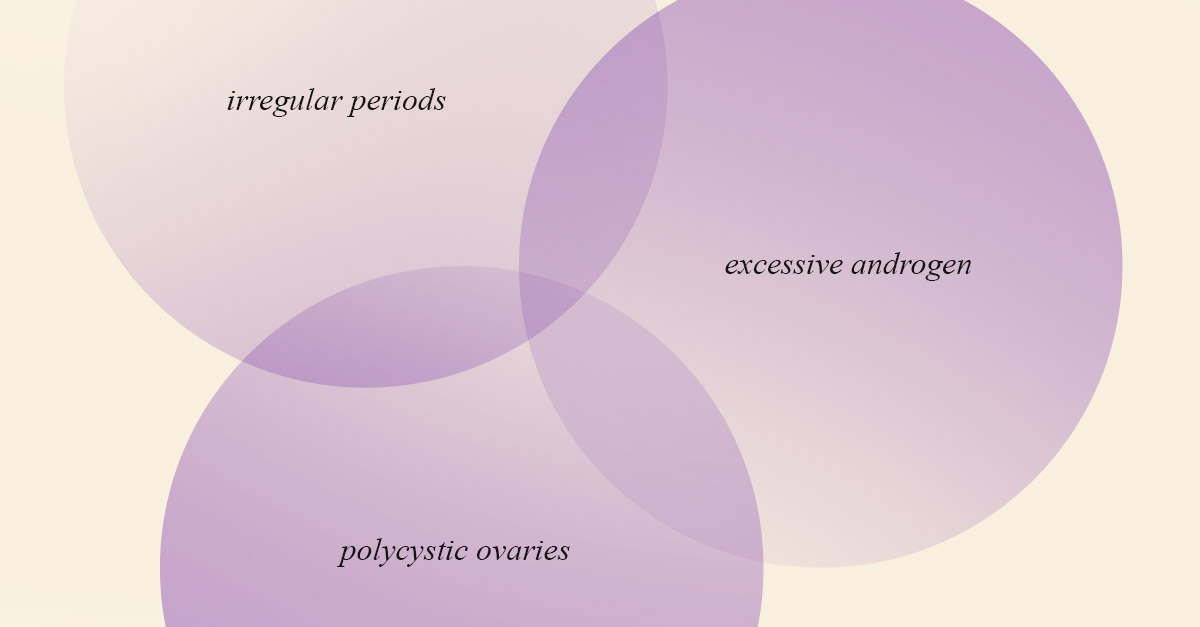
PCOS is diagnosed using the Rotterdam criteria, which requires at least two of three specific features — not a single blood test or scan on its own. The three features are: irregular or absent ovulation, clinical or blood-test signs of elevated androgens, and a characteristic ovarian appearance on ultrasound (some updated clinical guidance now allows AMH blood levels to be used instead of ultrasound for this third criterion).
Because several other conditions can cause similar symptoms, your doctor will typically rule out thyroid disorders and other hormonal conditions before confirming a PCOS diagnosis. This is why a proper diagnosis usually involves bloodwork and a consultation, not just a single ultrasound finding.
Treatment Options Usually Tried Before IVF
Most patients with PCOS-related infertility go through a progression of treatment options before IVF becomes relevant.
This progression isn't fixed for every patient — your specific history, age, and any additional fertility factors can shift where you start or how quickly you move between stages.

When Is IVF Recommended for PCOS-Related Infertility?
IVF for PCOS-related infertility is typically recommended after ovulation induction and IUI haven't resulted in pregnancy, or when additional fertility factors — such as male-factor infertility or tubal issues — are present alongside PCOS. It isn't usually the first recommendation, since many patients with PCOS do conceive with less invasive treatment first.
That said, the right starting point depends on individual circumstances, including age and how long you've been trying to conceive. A fertility evaluation is the most reliable way to understand where you specifically fall in this progression, rather than assuming based on a general guide.
Your First Fertility Consultation in Manila

IVF Considerations Specific to PCOS: OHSS Risk and Protocol Choice
Patients with PCOS are at higher risk of ovarian hyperstimulation syndrome (OHSS) during IVF, because PCOS-affected ovaries often respond strongly to stimulation medication — sometimes producing a large number of follicles quickly. This is one of the most important PCOS-specific considerations during IVF planning, and it directly affects protocol choice.
Because of this, doctors often discuss lower-stimulation approaches specifically with PCOS patients, including minimal stimulation (mini-IVF) protocols, which use lower medication doses and can reduce OHSS risk.
This isn't the right approach for every PCOS patient, but it's a conversation worth having directly with your care team given the elevated risk this group faces.

What to Expect During PCOS-Related IVF Treatment
The core steps of IVF for PCOS-related infertility are similar to a standard cycle, with closer monitoring for OHSS risk built in.
- Baseline testing, including hormone levels and an ultrasound to assess ovarian response before starting medication.
- Careful medication dosing, often starting lower than a standard protocol given the tendency for PCOS-affected ovaries to respond strongly.
- Close monitoring during stimulation, with more frequent check-ins to watch for signs of OHSS.
- Egg retrieval, once follicles reach the appropriate size.
- Fertilization and embryo development, following standard lab processes.
- Embryo transfer, either in the same cycle or a later frozen transfer, depending on OHSS risk and your specific care plan.
Your care team can walk you through what this looks like for your specific case, since monitoring frequency and protocol choice vary based on your individual response.
In Vitro Fertilization Process

PCOS and IVF at GenPrime Manila
Yes — GenPrime Fertility Manila supports patients with PCOS-related infertility at our Parañaque clinic, from initial diagnosis through ovulation induction, IUI, and IVF when it becomes relevant.
Because OHSS risk is a specific concern for PCOS patients during IVF, our team discusses protocol options — including lower-stimulation approaches — as part of individualized care planning, rather than defaulting to the same protocol for every patient.

FAQ Section
1. Can women with PCOS get pregnant without IVF?
Yes, many women with PCOS conceive with lifestyle changes, ovulation induction medication, or IUI before IVF becomes necessary. IVF is typically considered after these approaches haven't resulted in pregnancy.
2. How is PCOS diagnosed?
PCOS is diagnosed using the Rotterdam criteria, requiring at least two of three features: irregular or absent ovulation, signs of elevated androgens, and characteristic ovarian appearance on ultrasound or AMH levels.
3. Why does PCOS cause infertility?
PCOS commonly causes anovulation — irregular or absent ovulation — meaning an egg isn't released reliably each cycle, which makes conceiving through timed intercourse alone more difficult.
4. Are PCOS patients at higher risk during IVF?
Yes. Patients with PCOS are at higher risk of ovarian hyperstimulation syndrome (OHSS) because PCOS-affected ovaries often respond strongly to stimulation medication, which is why protocol choice and monitoring are adjusted for this group.
5. What treatments are tried before IVF for PCOS-related infertility?
Most patients try lifestyle changes and ovulation induction medication first, followed by IUI if needed, before moving to IVF.
6. Does GenPrime Manila treat PCOS-related infertility?
Yes. GenPrime Manila supports patients with PCOS-related infertility from diagnosis through IVF, including protocol choices designed to reduce OHSS risk for this group specifically.
Related Questions
Can losing weight improve fertility for women with PCOS?
For some patients, weight management can help regulate ovulation, though this varies by individual and isn't the right focus for every patient with PCOS. This is worth discussing directly with your care team.
Does PCOS affect egg quality?
This varies by individual. PCOS primarily affects ovulation frequency rather than uniformly affecting egg quality, though it can vary case by case.
Can PCOS come back after successful ovulation induction?
PCOS itself doesn't go away — it's a hormonal condition that continues even if ovulation is successfully induced in a given cycle. Ongoing management is often part of long-term care.
Is PCOS the same as having ovarian cysts?
Not exactly. Despite the name, PCOS involves many small, immature follicles rather than the type of cysts commonly associated with other ovarian conditions. Your doctor can explain the distinction relevant to your ultrasound findings.
This article is for informational purposes only and does not constitute medical advice. Individual treatment paths vary based on diagnosis specifics, age, and other fertility factors. Consult a licensed fertility specialist to discuss what's appropriate for your situation.
Sources: Rotterdam ESHRE/ASRM-sponsored PCOS consensus criteria; current peer-reviewed clinical guidance on PCOS diagnosis and management.