

Diet, Lifestyle, and Fertility: What Actually Helps for Filipinos
Most fertility diet advice online is generic — eat more vegetables, exercise, reduce stress — without accounting for how Filipinos actually eat, work, and live. This guide focuses on what's genuinely relevant here: general nutrition principles worth knowing, and specific lifestyle factors that matter more in the Philippine context than most generic advice acknowledges, including shift work and heat exposure.
A note before you read further: nothing here is meant as a restrictive diet plan, a weight-loss target, or a promise that any specific food or habit will resolve infertility. Diet and lifestyle are one part of a much larger picture, and if you're actively trying to conceive or in treatment, this is worth discussing directly with your care team rather than following general guidance alone.
Key Takeaways
- No single food or diet has been shown to reliably improve fertility on its own — general nutritional adequacy and overall health patterns matter more than any specific food.
- Both significantly low and significantly high body weight can affect ovulation; this is about overall health, not a specific number to target.
- Filipino diets vary widely and include genuinely healthy staples like fish, vegetables, and legumes alongside patterns worth moderating, like fried food and high sodium intake — this isn't a case for an entirely different diet, just balance.
- Night shift work, common in the Philippines' BPO and healthcare sectors, is linked in some research to disruptions that may affect reproductive health, largely through circadian rhythm disruption.
- Heat exposure, relevant to drivers and outdoor workers in the Philippines specifically, can affect male fertility, and this is a genuinely underdiscussed factor.
Key Terms to Know
- Folic acid: A B vitamin generally recommended before and during pregnancy to support healthy fetal development; also relevant to preconception health generally.
- BMI (body mass index): A general screening measure of body weight relative to height, used as one data point among several in fertility evaluations, not a diagnosis on its own.
- Circadian rhythm: The body's internal clock, which regulates sleep, hormone release, and metabolism; disrupted by night shift work and irregular schedules.
- Oxidative stress: A biological process linked in some research to egg and sperm quality, which certain dietary and lifestyle factors may influence.
What Actually Affects Fertility Through Diet and Lifestyle?
Diet and lifestyle are one factor among many that can affect fertility, and their impact is generally about supporting overall reproductive health rather than any single food or habit dramatically changing outcomes. The strongest, most consistent evidence points to a few specific areas: adequate nutrition (particularly folic acid before conception), avoiding smoking, moderating alcohol and caffeine, maintaining a body weight within a healthy range, and — often overlooked — specific occupational and environmental exposures relevant to how and where you work.
This is not a substitute for medical evaluation if you're having difficulty conceiving. Diet and lifestyle factors are worth addressing regardless, but they don't replace testing to identify a specific underlying cause if one exists.
Nutrition: What's Generally Recommended
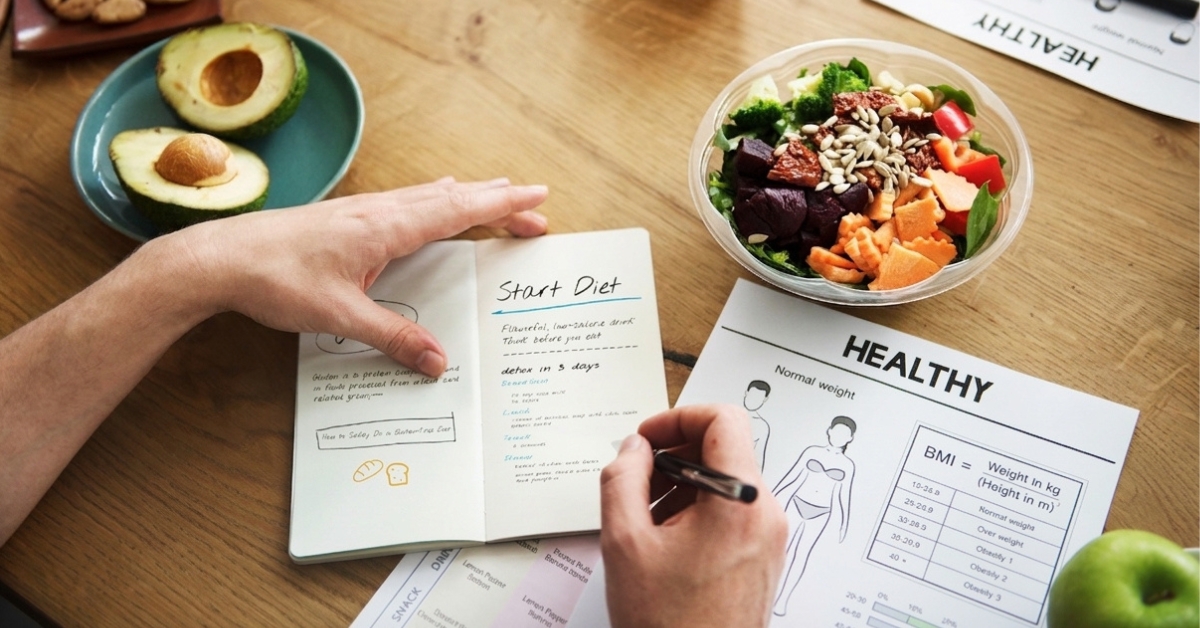
General nutritional guidance for fertility focuses on overall dietary adequacy rather than specific superfoods. Folic acid is one of the more consistently recommended nutrients before conception, typically through a combination of diet and a prenatal supplement, and this is worth discussing with your doctor directly rather than self-selecting a dose.
Beyond that, a generally balanced diet with adequate protein, vegetables, and whole grains, along with moderating highly processed foods and added sugar, supports overall health that in turn supports reproductive function. No single food has been reliably shown to meaningfully improve fertility on its own, regardless of how it's sometimes marketed.
Fertility Regulations Philippines

Weight and Fertility: What the Evidence Actually Shows
Both significantly low and significantly high body weight can affect ovulation and hormone regulation, which is why this comes up in fertility evaluations. This isn't about a specific weight or BMI number to hit — it's about overall metabolic and hormonal health, which your care team can assess as part of a full evaluation rather than through a general online guide.
If weight is relevant to your specific fertility evaluation, this is a conversation to have directly with your doctor, who can look at your full picture rather than applying a generic target. This guide won't provide specific weight or dietary targets, since that kind of guidance is only appropriate when tailored to an individual by a qualified professional.

Filipino Diet Patterns: A Practical, Non-Judgmental Look
Filipino diets vary enormously by region and household, and they include genuinely healthy staples — fish, vegetables like malunggay and kangkong, legumes, and fruit — alongside patterns that are worth moderating for overall health, including fried foods, high sodium intake from patis and soy sauce, and sweetened beverages that are a significant part of many people's daily intake.
This isn't a case for abandoning Filipino cuisine or adopting an entirely different diet. It's about the same general principle that applies everywhere: balance and moderation, built around dishes and ingredients you already know, rather than a restrictive plan that's hard to sustain.
Coping With Infertility Philippines

Shift Work and Fertility: Relevant for BPO and Healthcare Workers
The Philippines has one of the largest business process outsourcing (BPO) workforces in the world, and night shift work is a genuine, common part of daily life for many Filipino workers, alongside healthcare and other shift-based occupations. Some research suggests a link between long-term night shift work and disruptions — largely through circadian rhythm disruption — that may affect reproductive health, though this remains an active area of research rather than a settled, precise risk figure.
If you work night shifts and are trying to conceive or considering fertility treatment, this is worth mentioning to your care team directly rather than assuming it's irrelevant. Practical steps like protecting sleep quality on days off and maintaining consistent meal timing where possible may help overall health, even though shift work itself often can't be avoided.

Heat Exposure and Male Fertility: Relevant for Drivers and Outdoor Workers
Heat exposure can affect sperm production, since testicular temperature regulation matters for healthy sperm development. This is genuinely relevant in the Philippine context for drivers — jeepney, tricycle, and delivery drivers spend long hours in heat-exposed conditions — as well as outdoor laborers and workers in hot industrial environments.
If heat exposure is a regular part of your work and male-factor infertility is part of your evaluation, this is worth raising directly with your care team, since it's a specific, discussable factor rather than something to just accept as unavoidable.

Smoking, Alcohol, and Fertility
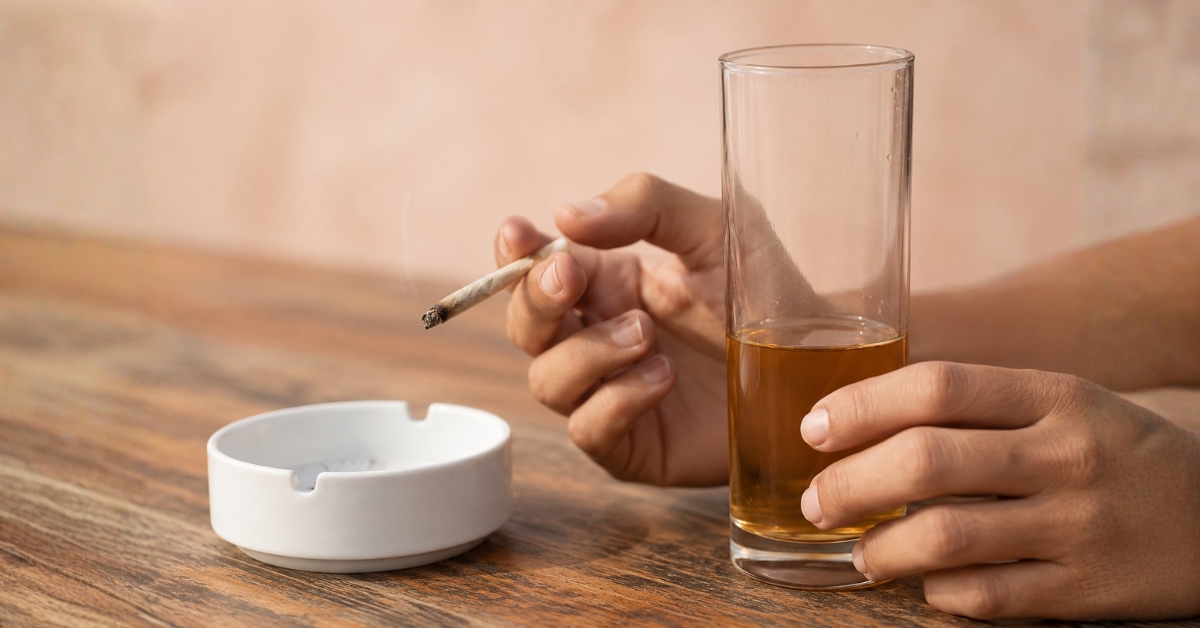
Smoking is consistently linked to reduced fertility in both men and women, and quitting is one of the more clearly evidence-supported steps someone can take if fertility is a concern. Alcohol's effect is less dramatic but still relevant — moderating intake is generally recommended, particularly once actively trying to conceive or in treatment.
These are two of the more straightforward, well-established lifestyle factors compared to some of the more debated dietary claims that circulate online.
Lifestyle Guidance at GenPrime Manila
Yes — GenPrime Fertility Manila discusses diet, lifestyle, and occupational factors as part of a full fertility evaluation at our Parañaque clinic, rather than treating them as a separate, generic add-on.
This includes asking about work schedules, heat exposure, and daily habits relevant to your specific situation, since these factors are genuinely part of understanding your fertility picture, not a substitute for medical evaluation.

FAQ Section
1. Can changing my diet improve my fertility?
General nutritional adequacy supports overall health, which in turn supports reproductive function, but no single food or diet has been reliably shown to meaningfully improve fertility on its own.
2. Does weight affect fertility?
Both significantly low and significantly high body weight can affect ovulation and hormone regulation. This is about overall health rather than a specific number, and is best assessed by a doctor as part of a full evaluation.
3. Is Filipino food bad for fertility?
No single cuisine is inherently "bad" for fertility. Filipino diets include genuinely healthy staples alongside patterns worth moderating, like fried food and high sodium intake — the same balance principle that applies to any cuisine.
4. Can night shift work in a BPO job affect fertility?
Some research links long-term night shift work to disruptions that may affect reproductive health, largely through circadian rhythm disruption, though this remains an active area of research. It's worth mentioning to your care team if relevant to your situation.
5. Does heat exposure from driving for a living affect male fertility?
Yes, heat exposure can affect sperm production, and this is a genuinely relevant factor for drivers and outdoor workers in the Philippines. It's worth discussing directly if male-factor infertility is part of your evaluation.
6. Does GenPrime Manila address lifestyle factors during fertility evaluation?
Yes. GenPrime Manila discusses diet, occupational exposures, and lifestyle factors as part of a full evaluation at our Parañaque clinic.
Related Questions
Do fertility supplements actually work?
Evidence varies significantly by specific supplement and individual circumstances. This is worth discussing directly with your doctor rather than self-selecting supplements based on general marketing claims.
How much exercise is too much when trying to conceive?
Very intense or excessive exercise can affect ovulation in some individuals, though moderate exercise is generally fine. This varies by individual and is worth discussing with your care team if you have concerns.
Does stress actually cause infertility?
The relationship between stress and fertility is complex and not fully settled in research. Stress management is worth pursuing for overall wellbeing regardless, but it's not accurate to say stress alone causes infertility.
Can caffeine affect fertility?
Moderate caffeine intake is generally considered acceptable, though many doctors recommend reducing intake once actively trying to conceive. Ask your care team what's appropriate for your specific situation.
This article is for informational purposes only and does not constitute medical, nutritional, or fitness advice. It does not provide specific dietary, weight, or exercise targets, since appropriate guidance depends on individual evaluation by a qualified professional. Consult a licensed fertility specialist or registered dietitian for guidance tailored to your specific situation.
Sources: Published research on night shift work and reproductive health (Frontiers in Sleep, 2025); peer-reviewed research on heat exposure and male fertility; general preconception nutrition guidance from recognized medical bodies.