


Male Infertility in Manila: Causes, Tests, and Treatment Options
Male infertility is a contributing factor in roughly 40 to 50 percent of infertility cases, either on its own or alongside a female-factor diagnosis — yet it's often left out of the conversation entirely. If you and your partner are navigating infertility in Manila, understanding male-factor causes, how they're tested for, and what treatment options exist is just as central to the process as anything on the female side.
Key Takeaways
- Male infertility is a contributing factor in roughly 40 to 50 percent of infertility cases, either alone or combined with a female-factor diagnosis.
- Diagnosis typically starts with a semen analysis, medical history, and physical exam — the same first-line approach recommended internationally.
- One abnormal semen analysis result doesn't confirm infertility on its own; results can fluctuate, which is why repeat testing is often recommended.
- Varicocele is one of the most common and correctable causes of male infertility, and surgical repair is a well-established treatment option.
- Treatment ranges from lifestyle changes and medication to surgery and assisted reproductive technologies like ICSI, depending on the specific cause identified.
Key Terms to Know
- Semen analysis: The primary test for male fertility, measuring sperm count, motility (movement), and morphology (shape) against standardized reference values.
- Varicocele: Enlarged veins within the scrotum, one of the most common correctable causes of male infertility.
- Azoospermia: The complete absence of sperm in the ejaculate, which requires further testing to determine the underlying cause.
- Oligospermia: A lower-than-typical sperm count, one of several possible semen analysis findings.
- ICSI (intracytoplasmic sperm injection): A lab technique used during IVF in which a single sperm is injected directly into an egg, often used for male-factor infertility.
What Causes Male Infertility?
Male infertility has a wide range of possible causes, and identifying the specific one is central to choosing the right treatment. Common categories include structural issues (such as varicocele or blockages in the reproductive tract), hormonal imbalances, genetic factors, and lifestyle or environmental influences.
Varicocele — enlarged veins within the scrotum — is one of the most common and correctable causes, affecting sperm production and quality in a meaningful number of cases. Other causes include infections, certain past medical treatments (such as chemotherapy), and in some cases no clearly identifiable cause at all, which is itself a valid diagnostic outcome that still points toward specific treatment options.

How Is Male Infertility Diagnosed?
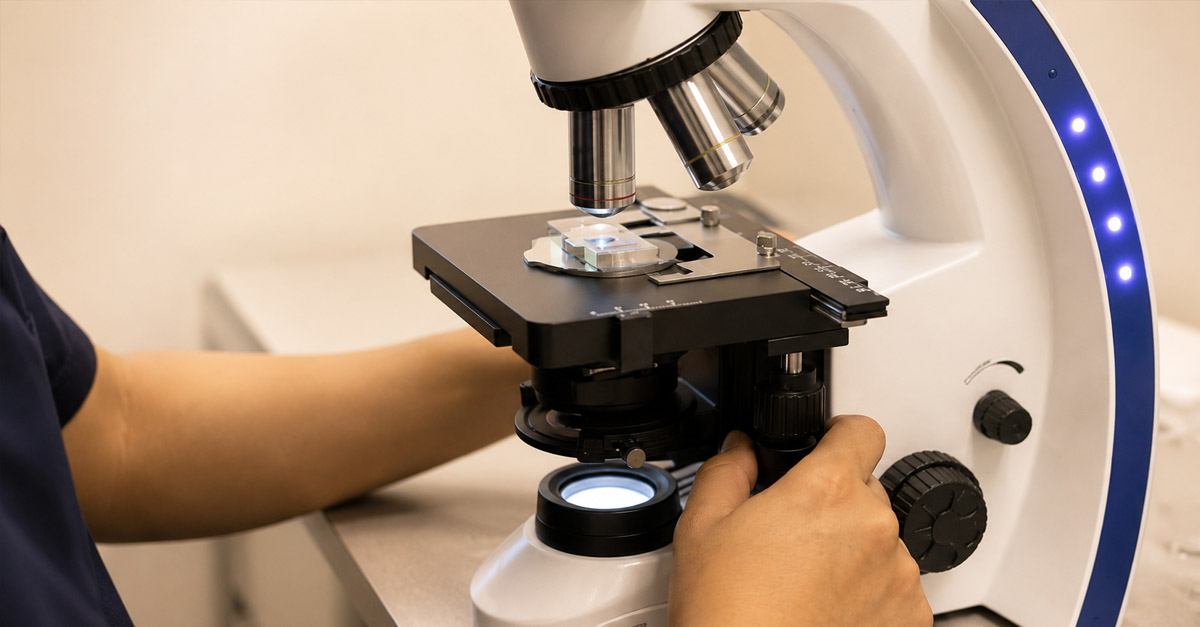
Male infertility is typically diagnosed starting with a semen analysis, medical history, and physical examination — the same first-line approach recommended internationally, including in the World Health Organization's infertility guidance. Semen analysis measures several parameters, including sperm count, motility, and morphology, compared against standardized reference values.
One important thing to know: a single abnormal semen analysis result doesn't confirm infertility on its own. Sperm quality can fluctuate due to illness, stress, medications, or even the time since your last ejaculation, which is why repeat testing — often two to three samples spaced over a few months — is commonly recommended before drawing conclusions. If results point toward a hormonal or genetic cause, additional bloodwork, imaging, or genetic testing may follow.
Common Causes and How They're Typically Addressed
Different causes of male infertility are approached differently, which is why an accurate diagnosis matters before choosing a treatment path.
Your care team can help identify which category applies to your specific results, since treatment approaches differ significantly between them.

Treatment Options: From Lifestyle Changes to ART
Male infertility treatment generally follows a progression from less invasive to more involved options, depending on the cause and severity identified through testing.
- Lifestyle modifications, such as addressing smoking, heat exposure, or certain medications, often discussed alongside other findings rather than as a stand-alone fix.
- Medical treatment, including hormonal therapy when a hormonal cause is identified, or treatment of an underlying infection.
- Surgical correction, such as varicocele repair, when a structural cause is identified and considered likely to improve fertility.
- IUI (intrauterine insemination), for milder semen parameter findings, often combined with ovulation tracking on the female side.
- ICSI during IVF, where a single sperm is injected directly into an egg, commonly used for more significant male-factor findings.
- Surgical sperm retrieval, in cases of azoospermia, to determine whether viable sperm can be retrieved directly from the testicles for use in ICSI.
Which of these applies to your situation depends entirely on your specific test results — this list represents the range of options generally available, not a fixed sequence every patient follows.
In Vitro Fertilization Process

When Sperm Can't Be Retrieved: Current Practice in the Philippines
In cases where no viable sperm can be found even through surgical retrieval, donor sperm is the option typically used internationally. Under current practice at licensed Philippine clinics, however, IVF is limited to legally married couples using their own eggs and sperm, and donor sperm is not offered through mainstream clinics — a distinction worth understanding clearly if severe male-factor infertility is part of your diagnosis.
This reflects current clinical practice guided by the Philippine Society of Reproductive Medicine (PSRM) rather than a specific national law, so it's worth discussing directly with your care team what this means for your specific situation and what options, if any, exist beyond the Philippines.

What to Expect During a Male Fertility Evaluation
A male fertility evaluation is typically straightforward and less invasive than many patients expect.
- A detailed medical history, covering past health conditions, surgeries, medications, and lifestyle factors relevant to fertility.
- A physical examination, checking for signs such as varicocele or other structural findings.
- Semen analysis, usually the first and most important test, sometimes repeated after a few weeks or months.
- Hormonal bloodwork, if semen analysis findings or your history suggest a hormonal cause.
- Further testing, such as genetic testing or imaging, only if earlier results point toward a specific underlying cause.
Most of this evaluation can happen alongside testing on the female side, so couples can move through the diagnostic process together rather than sequentially.
Your First Fertility Consultation in Manila

Male Infertility Care at GenPrime Manila
Yes — GenPrime Fertility Manila evaluates and treats male-factor infertility at our Parañaque clinic, as part of a couple-centered approach rather than treating fertility care as a female-only conversation.
Semen analysis and male partner evaluation are typically coordinated alongside female partner testing, so both sides of a couple's fertility picture are understood together from the start.

FAQ Section
1. How common is male infertility?
Male infertility is a contributing factor in roughly 40 to 50 percent of infertility cases, either on its own or combined with a female-factor diagnosis.
2. What is the first test for male infertility?
Semen analysis is typically the first test, measuring sperm count, motility, and morphology, alongside a medical history and physical examination.
3. Does one abnormal semen analysis mean I'm infertile?
No. Sperm quality can fluctuate, and a single abnormal result doesn't confirm infertility. Repeat testing over a few months is often recommended before drawing conclusions.
4. What is varicocele, and can it be treated?
Varicocele is enlarged veins within the scrotum and one of the most common correctable causes of male infertility. Surgical repair is a well-established treatment option when appropriate.
5. What happens if no sperm can be found at all?
This is called azoospermia and requires further testing to determine the cause. Surgical sperm retrieval may be attempted; if no viable sperm is found, options depend on current clinical practice and are worth discussing directly with your care team.
6. Does GenPrime Manila treat male infertility?
Yes. GenPrime Manila evaluates and treats male-factor infertility as part of a couple-centered approach, coordinating testing alongside the female partner's evaluation.
Related Questions
Can lifestyle changes alone improve male fertility?
For some causes, yes — lifestyle factors like smoking or heat exposure can play a role. For structural or genetic causes, lifestyle changes alone are unlikely to be sufficient, which is why an accurate diagnosis matters first.
Does age affect male fertility?
Yes, though the decline is generally more gradual than for female fertility. Sperm quality and quantity can still be affected by age, particularly from the mid-40s onward.
Can male infertility be caused by an infection?
Yes. Certain infections, including some sexually transmitted infections, can affect sperm production or cause blockages. This is one of the reasons a full medical history is part of the evaluation.
Is ICSI needed for every case of male infertility?
No. ICSI is typically used for more significant male-factor findings. Milder cases may respond to other treatments like IUI or medical management without needing ICSI.
This article is for informational purposes only and does not constitute medical advice. Individual causes and treatment paths vary significantly. Consult a licensed fertility specialist to discuss what's appropriate for your specific situation.
Sources: World Health Organization 2025 infertility guideline; AUA/ASRM male infertility clinical guideline (2024 amendment); WHO 6th edition semen analysis laboratory standards.