


What to Expect at Your First Fertility Consultation in Manila
Booking a first fertility consultation is often the hardest step — not because of anything medical, but because of the uncertainty of not knowing what will actually happen once you're in the room. This guide walks through exactly what a first fertility consultation in Manila typically involves, what to bring, and what to ask, so you can walk in prepared instead of guessing.
Key Takeaways
- A first fertility consultation is primarily a conversation and history review — it's not the appointment where treatment starts, so there's no need to feel like you need to be "ready" for a procedure.
- Both partners are typically encouraged to attend, since fertility evaluation usually looks at both sides of a couple's health picture together.
- Bringing prior medical records, a menstrual cycle history, and a list of current medications helps your doctor get a fuller picture from the first visit.
- Testing, if recommended, is usually scheduled after this first conversation rather than performed on the spot.
- Preparing a few specific questions in advance helps you get more out of the appointment than going in without a plan.
Key Terms to Know
- Fertility evaluation: The overall process of testing and assessment used to understand a couple's or individual's fertility, usually starting with a consultation.
- Menstrual and reproductive history: A detailed account of your cycle patterns, past pregnancies, and any prior gynecological or reproductive health issues, which your doctor will ask about in detail.
- Baseline testing: Initial tests — such as bloodwork or ultrasound — that are typically recommended after the first consultation to establish a starting picture of your fertility health.
What Happens During a First Fertility Consultation
A first fertility consultation is mainly a detailed conversation, not a procedure. Your doctor will ask about your medical history, your reproductive and menstrual history, how long you've been trying to conceive, and any relevant lifestyle factors. If you're attending as a couple, your partner's history is typically discussed as well, since fertility evaluation generally considers both partners together rather than treating it as a single-person issue.
Depending on your specific situation, your doctor may perform a basic physical exam or ultrasound during this first visit, but more detailed testing is usually scheduled as a next step rather than done immediately. The goal of this first appointment is to understand your situation well enough to recommend what testing, if any, makes sense next — not to reach a diagnosis or start treatment on the same day.

What to Bring With You
Coming prepared helps your doctor build a fuller picture from the start, rather than needing a follow-up visit just to gather basic information.
- Prior medical records, including any previous fertility testing, gynecological history, or relevant surgical history.
- A record of your menstrual cycle, including typical cycle length and any irregularities you've noticed, even if it's just from a period-tracking app.
- A list of current medications and supplements, since some can be relevant to fertility evaluation.
- Your partner's basic health history, if attending together, including any known health conditions or previous fertility-related testing.
- A list of questions, written down in advance, so you don't forget them once you're in the appointment.
None of this needs to be perfectly organized — even a rough summary is more useful than showing up with nothing.

Questions Your Doctor Will Likely Ask
Knowing what to expect can make the conversation feel less unpredictable.
- How long have you been trying to conceive, and whether you've been tracking ovulation or cycle timing.
- Your menstrual history, including cycle regularity, and any past diagnoses like PCOS or endometriosis.
- Any previous pregnancies, regardless of outcome, since this affects whether your situation is considered primary or secondary infertility.
- Relevant lifestyle factors, such as smoking, alcohol use, and occupational factors like shift work or heat exposure.
- Family medical history, particularly anything relevant to reproductive or hormonal conditions.
There's no need to have polished answers — approximate timelines and general patterns are genuinely useful, even if you don't remember exact dates.

Questions Worth Asking Your Doctor
A first consultation is also your opportunity to ask questions, and coming with a few prepared ones tends to make the visit more useful.
- "Based on what you know so far, what testing would you recommend as a next step?"
- "Is there anything about our situation that suggests we should move faster than a typical timeline?"
- "What would a realistic next few months look like if we move forward with testing?"
- "Are there lifestyle or timing factors specific to our situation worth adjusting now?"
- "What would the general cost range look like for the testing you're recommending?"
Asking directly, even if a question feels basic, generally gets you a clearer answer than trying to guess.
What Happens After the First Consultation
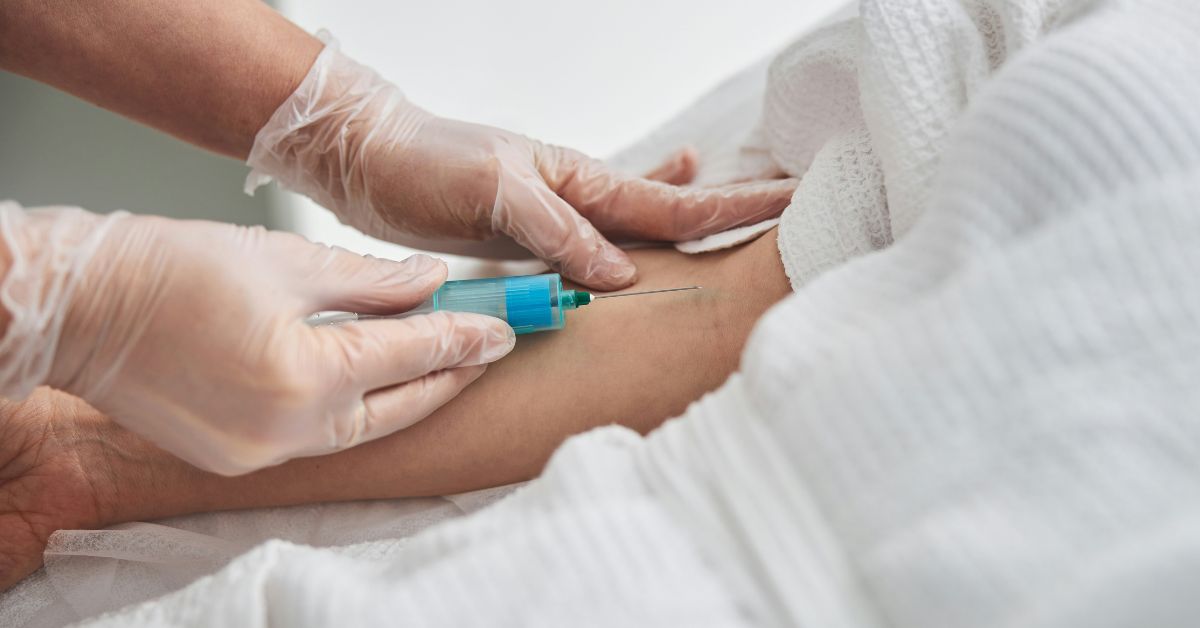
After your first consultation, your doctor will typically recommend specific next steps based on what came up in your conversation — this might be baseline bloodwork, a semen analysis for your partner, an ultrasound, or a combination of tests. These are usually scheduled as follow-up visits rather than completed the same day.
From there, your results guide what happens next, whether that's a treatment recommendation, further specialized testing, or in some cases reassurance that continuing to try naturally for a bit longer is reasonable. Every path forward depends on what your specific evaluation finds.
Fertility Regulations Philippines

Booking Your First Consultation at GenPrime Manila
Yes — GenPrime Fertility Manila welcomes first-time fertility consultations at our Parañaque clinic, Monday through Saturday.
We encourage both partners to attend together where possible, and our team can walk you through what to expect before your visit if you have questions beforehand.

FAQ Section
1. What happens at a first fertility consultation?
A first fertility consultation is mainly a detailed conversation about your medical, reproductive, and lifestyle history. Testing, if recommended, is usually scheduled as a next step rather than done the same day.
2. Should both partners attend the first fertility consultation?
Yes, generally. Fertility evaluation usually considers both partners' health together, so attending as a couple when possible gives your doctor a fuller picture from the start.
3. What should I bring to my first fertility consultation?
Prior medical records, a record of your menstrual cycle, a list of current medications, and a written list of questions all help make the most of your first visit.
4. Will I get test results or a diagnosis at my first appointment?
Usually not immediately. The first consultation is focused on understanding your situation and recommending next steps; testing and results typically follow as separate appointments.
5. How long does a first fertility consultation take?
This varies by clinic, but a thorough first consultation covering full history typically takes longer than a standard checkup, given the amount of information being discussed.
6. Can I book a first consultation at GenPrime Manila?
Yes. GenPrime Manila welcomes first-time consultations at our Parañaque clinic, Monday through Saturday.
Related Questions
Do I need a referral to book a fertility consultation in the Philippines?
Generally no, though this can vary by clinic and by whether you're using specific insurance benefits. Confirm directly with the clinic you're booking with.
What if I'm not sure yet whether I want to pursue treatment?
A first consultation doesn't commit you to treatment. Many patients use it to understand their options before deciding anything.
Can I attend my first consultation alone if my partner can't come?
Yes, this is generally fine, though your doctor may ask you to bring your partner's information or schedule a separate visit for them later.
Is a first fertility consultation different from a regular OB-GYN visit?
Yes. A fertility consultation focuses specifically on conception-related history and planning, which is typically more detailed in this specific area than a general OB-GYN visit covers.
This article is for informational purposes only and does not constitute medical advice. What happens during your specific consultation may vary. Contact your clinic directly with questions before your visit.
Sources: General clinical practice guidance on fertility evaluation intake processes.