
Different paths to conception
In-Vitro Fertilisation (IVF) is a widely recognized method of assisted conception. This process begins with hormone treatments and injections designed to stimulate the ovaries, encouraging them to produce more eggs. Once the eggs are ready, they are retrieved and then fertilized with a sperm sample in a laboratory to create embryos. The final step involves transferring the embryos into the uterus, with the hope of achieving a successful pregnancy.
Intrauterine Insemination (IUI) is a procedure that aids natural conception by placing specially prepared sperm directly into the uterus. This technique boosts the chances of sperm reaching the fallopian tubes and fertilizing the mature egg. In some cases, medications and a trigger injection are used to stimulate the production of multiple eggs and to time their release accurately.
Ovulation Induction is a hormone treatment that uses oral medications such as Clomid or Letrozole to stimulate the ovaries to develop eggs and induce ovulation. This increases the chances of successful conception through timed intercourse. It can be used as a primary method or in conjunction with IUI, especially for women with irregular menstrual cycles or those who do not ovulate.
Endometriosis
Endometriosis is a condition where tissue similar to the lining of the uterus grows outside it — often on the ovaries, fallopian tubes, or pelvic cavity. For some women, it causes pain or heavy periods. For others, it may contribute to fertility challenges. Understanding the condition, its causes, and available treatments can help you make confident and informed decisions about your reproductive health.
Causes
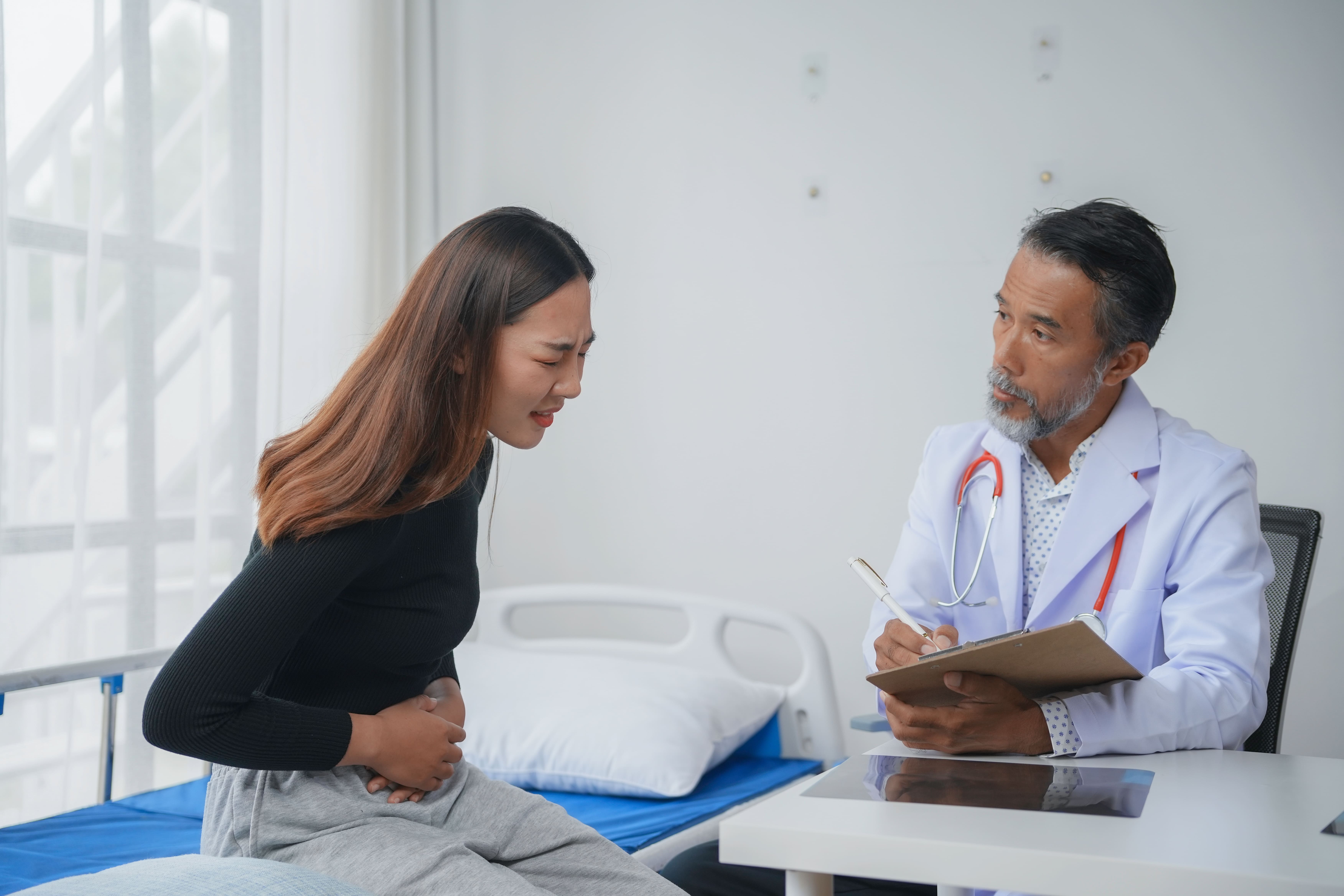
The exact cause of endometriosis is not fully understood, but several factors may contribute:
- Retrograde menstruation: When menstrual blood flows backward through the fallopian tubes into the pelvic cavity.
- Genetic factors: A family history of endometriosis may increase one’s likelihood of developing the condition.
- Immune system factors: An altered immune response may allow endometrial-like tissue to grow outside the uterus.
- Surgical scars: In rare cases, tissue may attach and grow near surgical incisions, such as after a Caesarean section.
Diagnosis
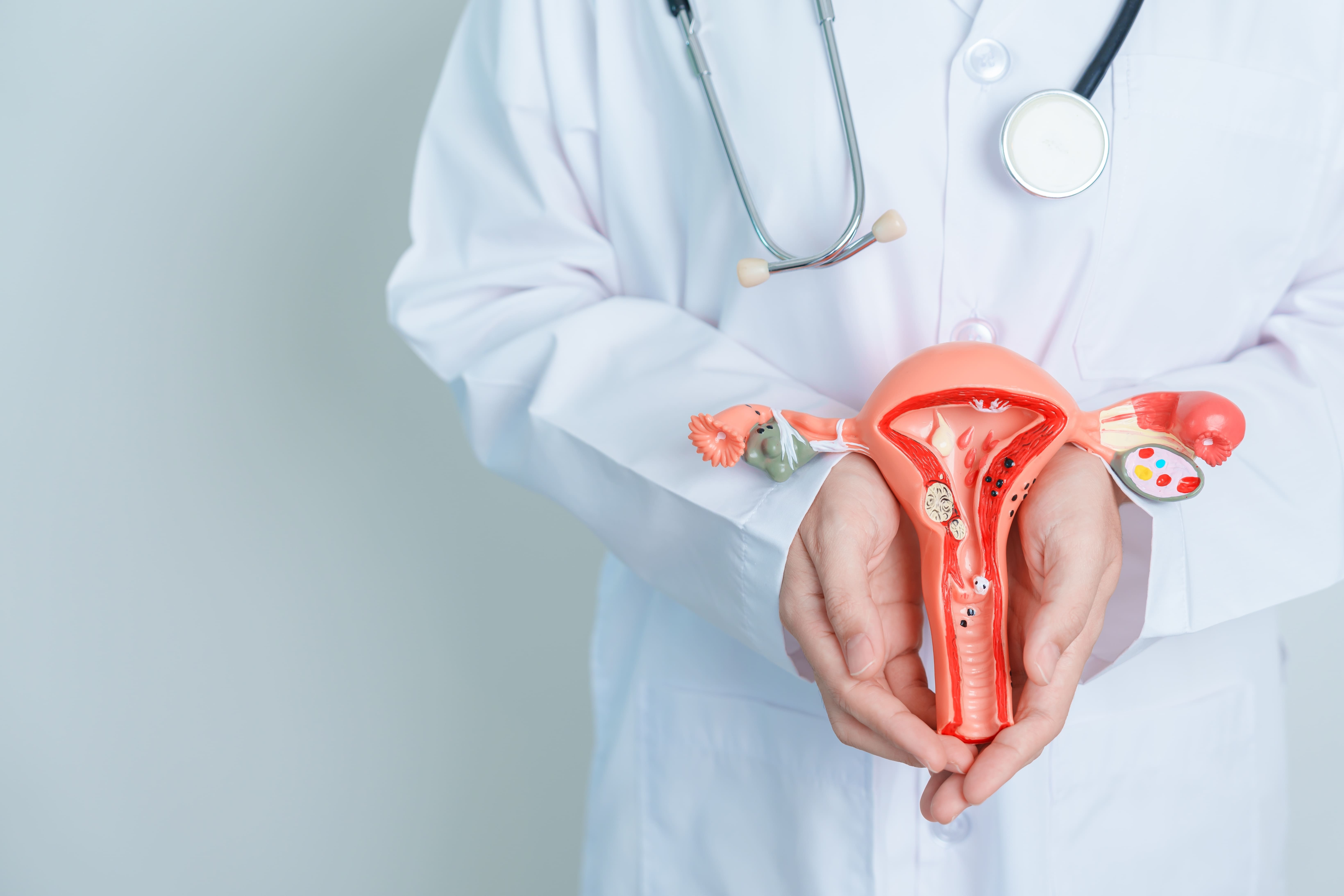
Diagnosis often begins with a detailed discussion of symptoms such as pelvic pain, painful menstruation, or difficulty conceiving. Tests may include:
- Ultrasound: To identify ovarian cysts (endometriomas) associated with endometriosis.
- MRI scan: To provide a detailed view of the pelvic organs.
- Laparoscopy: A minimally invasive procedure that allows the doctor to confirm the presence and extent of endometriosis directly.
These assessments help your specialist plan a treatment approach best suited to your symptoms and fertility goals.
Common Questions
Can endometriosis always be seen on scans?
Not always. Imaging can help identify certain forms, but laparoscopy remains the most accurate way to confirm the diagnosis.
Does endometriosis always cause infertility?
No. Many women with endometriosis conceive naturally, though some may experience reduced fertility depending on the severity and location of the condition.
Is endometriosis hereditary?
Genetic factors can play a role — having a close relative with endometriosis may increase your risk.
Can symptoms worsen over time?
In some cases, symptoms may progress if left untreated, but severity and patterns vary widely between individuals.
Is pregnancy possible after treatment?
Yes. Many women conceive successfully following medical or surgical management, sometimes with the help of assisted reproductive treatments such as IUI or IVF.
Treatment Options
Treatment depends on the severity of symptoms and whether pregnancy is a current goal:
- Medication to relieve pain and manage inflammation.
- Hormone therapy to reduce or suppress menstrual cycles, limiting endometrial tissue growth.
- Surgery (such as laparoscopy) to remove visible endometriosis tissue, which can improve comfort and fertility outcomes.
- Fertility treatments, including IUI or IVF, may be recommended to support conception if endometriosis affects fertility.
Your specialist will work with you to determine the most appropriate approach, guided by your medical profile and personal priorities.
Supporting Your Fertility Journey
At GenPrime, we understand that endometriosis affects more than physical health — it can also impact emotional wellbeing and family planning decisions.