
Different paths to conception
In-Vitro Fertilisation (IVF) is a widely recognized method of assisted conception. This process begins with hormone treatments and injections designed to stimulate the ovaries, encouraging them to produce more eggs. Once the eggs are ready, they are retrieved and then fertilized with a sperm sample in a laboratory to create embryos. The final step involves transferring the embryos into the uterus, with the hope of achieving a successful pregnancy.
Intrauterine Insemination (IUI) is a procedure that aids natural conception by placing specially prepared sperm directly into the uterus. This technique boosts the chances of sperm reaching the fallopian tubes and fertilizing the mature egg. In some cases, medications and a trigger injection are used to stimulate the production of multiple eggs and to time their release accurately.
Ovulation Induction is a hormone treatment that uses oral medications such as Clomid or Letrozole to stimulate the ovaries to develop eggs and induce ovulation. This increases the chances of successful conception through timed intercourse. It can be used as a primary method or in conjunction with IUI, especially for women with irregular menstrual cycles or those who do not ovulate.
Egg Freezing
Egg freezing, or oocyte cryopreservation, allows women to preserve their eggs for future use. Eggs are collected, frozen, and stored under controlled conditions until they are needed.
In Philippines, elective (social) egg freezing is available for women, while medical egg freezing may be recommended for those undergoing treatments that could affect fertility, with no age restrictions. Frozen eggs can only be used by legally married couples.
At GenPrime, egg freezing is performed in accordance with international safety standards and guided by compassionate care, helping you make informed decisions about your reproductive health.
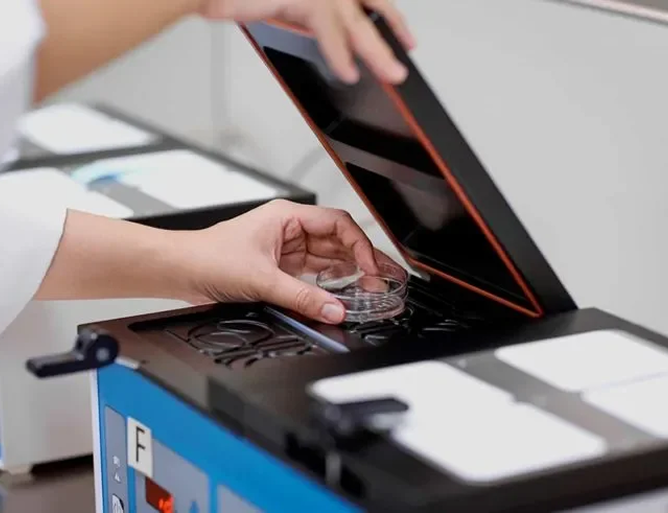
The Egg Freezing Process
Medication is used to stimulate the ovaries, encouraging the growth of multiple eggs.
Mature eggs are retrieved through a short procedure performed under sedation.
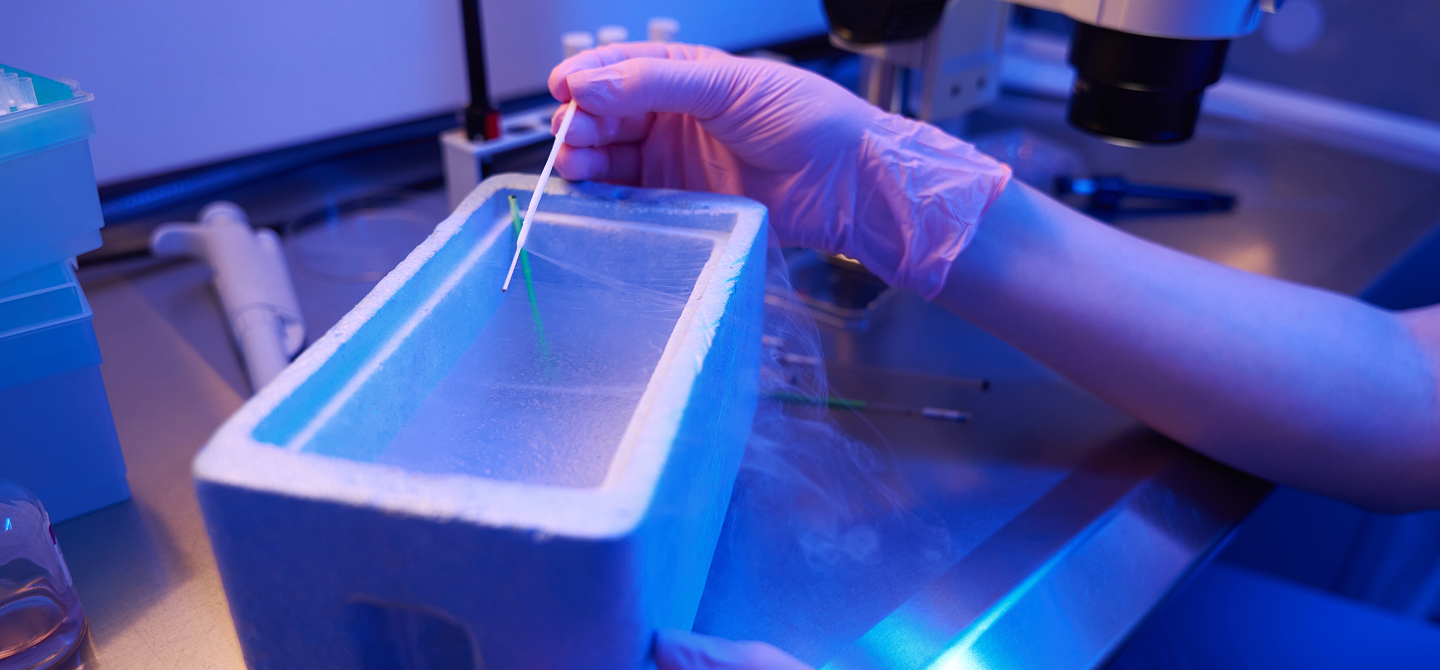
Collected eggs are frozen using vitrification — a rapid-freezing process that preserves them for future use.
When ready, eggs can be thawed, fertilised with sperm through IVF, and transferred as embryos to the uterus, in accordance with local regulations.
Will I Need Egg Freezing?
Egg freezing may be considered if:
- You wish to plan for pregnancy later due to personal, educational, or career reasons.
- You are not yet ready to start a family but would like to consider options for the future.
- You are preparing for medical treatments (such as chemotherapy) that may affect fertility.
- You have a family history of early menopause or other conditions that could impact fertility.
Your specialist will review your health and personal goals to determine whether egg freezing is appropriate for you.
Common Questions
The number of eggs recommended varies depending on your age, ovarian reserve, and medical profile. Your doctor will discuss what may be appropriate for you and how many cycles may be needed.
Frozen eggs can be stored for an extended period under regulated conditions, in accordance with local guidelines.
Egg freezing does not usually affect your natural fertility. Your doctor can explain how the procedure may relate to your individual health and reproductive plans.
Most patients experience only mild discomfort from the medications or egg retrieval process. The procedure itself is performed under sedation.
In Philippines, egg freezing involves storing unfertilised eggs only. The use of donor sperm or embryos is not permitted under current regulations.